

A thriving regional economy depends on a skilled workforce, employers willing to invest in their communities, and educational institutions that bring those interests together.
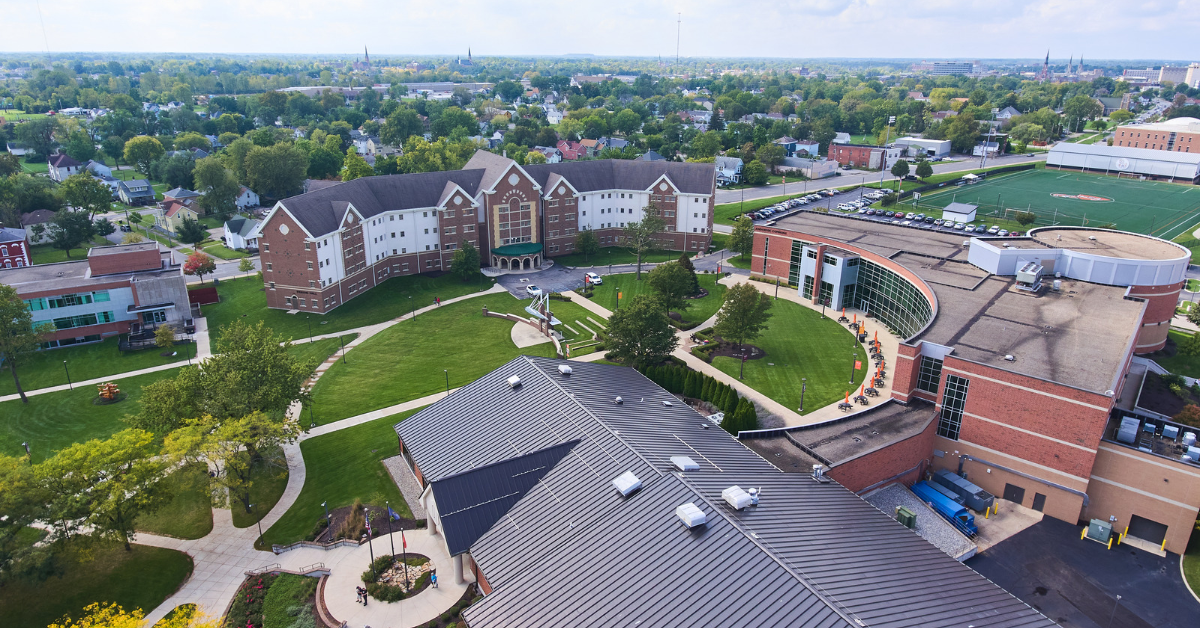
At County College of Morris in Randolph, N.J., we believe community colleges are uniquely positioned to connect education, workforce development and economic growth. Our responsibility extends beyond preparing students for their first jobs.It includes helping individuals, educators, employers and community leaders recognize the mutual benefits of working together. When those connections are strong, the result is a more vibrant community and a stronger region.
CCM has developed strong partnerships with regional health care organizations to strengthen the talent pipeline. Today, the college educates nearly half of the county’s nurses and approximately 90 percent of its radiographers, demonstrating how strategic partnerships among educators, employers and community leaders can create a positive and measurable impact.
An economic engine built on 3Ps
CCM’s approach centers on three essential elements: public investment, private industry and partnerships. Together, they align education with workforce needs and strengthen the region’s economic future.
Public investment provides the foundation. State and local funding support educational programs, facilities and infrastructure. Donor support also helps students overcome financial barriers and complete their education.
By strengthening partnerships between educational institutions and employers, public investment can also help align education and training with industry needs, expand work-based learning opportunities and create clearer pathways from the classroom to in-demand careers.
Private industry helps us equip ourselves for the future. Employers contribute expertise, resources and real-world perspectives that help educational institutions understand evolving technologies, skill requirements and talent shortages.
Through partnerships with community colleges, businesses can help shape curriculum, provide hands-on training and apprenticeship opportunities and expose students to emerging career paths. These collaborations ensure colleges can adapt to changing workforce demands while preparing students with the practical skills and experience needed to succeed in the jobs of tomorrow.
Partnerships turn shared priorities into action. Relationships with businesses, schools and community organizations connect workforce needs with educational opportunities. Sustained engagement and shared responsibility are essential to regional success.
By coordinating resources, aligning goals and developing programs together, these partnerships move beyond conversation to deliver measurable outcomes—from stronger talent pipelines and expanded career pathways to a better prepared workforce.
Together, these elements create opportunity, align education with industry needs and connect shared investments to community priorities.
Building a health care workforce pipeline
CCM’s nursing program has been ranked the No. 1 community college in New Jersey and is among the top 12 percent of community college nursing schools nationally by College Factual. Its Radiography program is also among the top 10 in the Mid-Atlantic region. CCM nursing graduates have also achieved a 100 percent first attempt pass rate on the National Council Licensure Examination for Registered Nurses in multiple reporting periods.
Preparing talent also means recognizing that there is no single pathway into a profession. Beyond degrees, CCM offers health care certificates that help students enter the workforce sooner or begin working in their field while continuing their education. Employers gain access to emerging talent, while students build experience, earn income and develop their skills.
Industry investment is equally important. Delta Dental of New Jersey contributed $1.1 million, and Gilead Sciences contributed $100,000 to support health care education at CCM. These investments help strengthen educational resources while connecting workforce preparation to industry needs.
This collaboration is also shaping the future of dental education. Informed by workforce needs and supported by industry partners, elected officials and private donors, CCM is preparing to launch dental hygiene and dental assisting programs in January 2027. These programs demonstrate how collaboration helps identify talent needs and create educational pathways that strengthen the region’s oral healthcare workforce.
The CCM Foundation further supports this mission by connecting donor generosity with student opportunity. Scholarships help reduce financial barriers so students can focus on their education and complete the credentials needed to enter or advance in their professions. Investing in students means investing in the future workforce and the communities they will serve.
Together, these efforts illustrate the 3P model: public investment builds the foundation, industry contributes resources and expertise and partnerships connect education to workforce needs.
From mutual understanding to mutual benefit
These lessons extend beyond health care. Employers need skilled workers to remain competitive and grow. Individuals need opportunities to gain relevant skills, advance their careers and adapt to changing industries. Community colleges connect these needs through pathways that serve both individual aspirations and regional priorities.
Academic education and workforce development are complementary. Some learners need degrees; others need short-term credentials or targeted training to advance in their current roles. Employers may need to upskill employees, prepare workers for new technologies or develop future talent. Community colleges must be equipped to support these needs throughout a person’s career.
For communities seeking to strengthen their workforce ecosystems, the starting point is practical: Bring the right people together, establish shared priorities, invest in relevant learning opportunities and sustain partnerships beyond individual projects.
The measure of success Is regional vibrancy
Success is measured not only in enrollment and credentials, but also in businesses better positioned to grow, individuals with opportunities for advancement and a regional economy supported by a capable, adaptable workforce.
At CCM, we serve as an economic engine for Morris County and the surrounding region. Our 3P model reflects a fundamental belief: When public investment, private industry and purposeful partnerships converge, education becomes a powerful catalyst for opportunity and growth.
A stronger workforce builds stronger businesses. Stronger businesses help create thriving communities. When education connects the two, the entire region benefits.